



Self-driving and semi-autonomous vehicles have moved from concept to daily reality on California roads. With that shift comes a new category of accident claims, including ones where the question of fault extends beyond driver behavior and into software performance, system design, and how a manufacturer represented its technology to the public.
At Galine, Frye, Fitting & Frangos, our California self-driving car accident lawyers represent people injured in crashes involving autonomous and semi-autonomous vehicles. These cases require a different kind of investigation than a typical collision, and the legal theories they involve are still being shaped by courts and regulators. We stay current on how California law applies to these claims and pursue compensation that reflects the full scope of what our clients have lost.
What Makes These Cases Different From Traditional Accidents
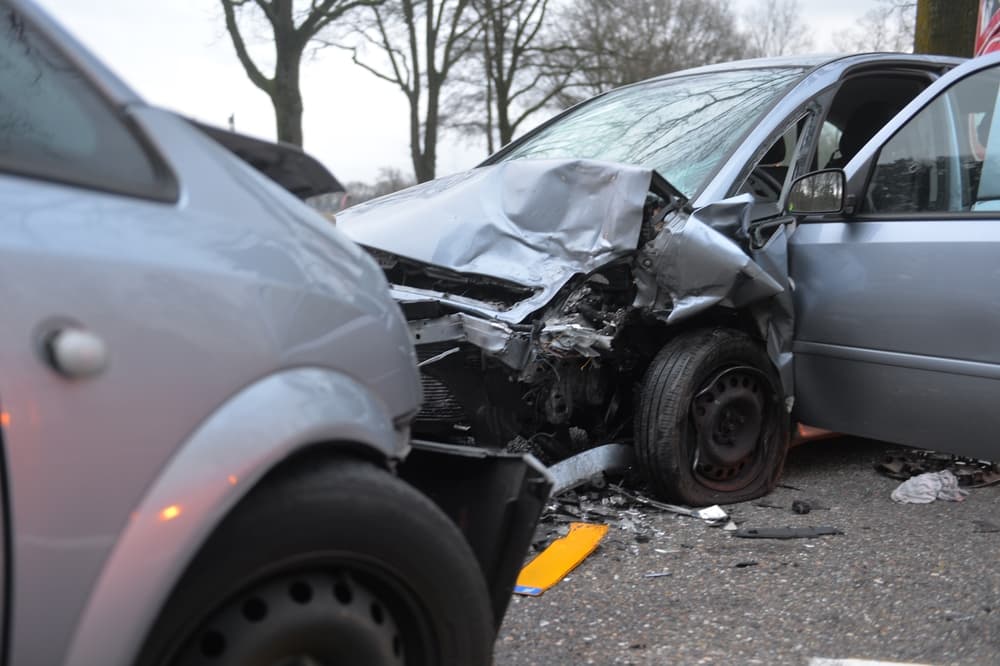
In most car accident claims, the analysis centers on what a driver did or failed to do. In autonomous vehicle cases, that question often has to be asked about a machine, and then about the people who designed it, programmed it, and brought it to market.
When a self-driving system is engaged at the time of a crash, the path to liability runs through the technology itself:
- Did the system detect the hazard?
- Did it respond correctly?
- Were its limitations accurately disclosed to the driver?
These are not questions that accident reconstruction alone can answer. They require vehicle data, software logs, expert analysis of system performance, and often a close look at how the manufacturer marketed the technology to drivers and the public.
California Vehicle Code § 38750 governs the testing and deployment of autonomous vehicles in the state, setting out requirements for manufacturers operating these systems on public roads. However, those regulations do not resolve liability on their own. California Civil Code § 1714 still applies, and the core question in any of these cases remains whether someone (a driver, a manufacturer, a software developer) failed to exercise reasonable care.
Who May Be Responsible in an Autonomous Vehicle Accident
Liability in self-driving car accident cases rarely points to a single party. Responsibility may be distributed across several actors depending on how the vehicle was operating and what caused the crash.
Potentially responsible parties include:
- The human driver, if they were required to monitor the system and failed to intervene
- The vehicle manufacturer, if a defect in design or hardware contributed to the crash
- The software developer, if the autonomous system failed to perform as intended
- Third parties, such as maintenance providers, if improper servicing affected system function
Determining how responsibility is allocated requires careful analysis of the vehicle's operating mode, what data the system recorded, and whether any party's conduct fell below the applicable standard of care.
Common Causes of Self-Driving Car Accidents
Autonomous and semi-autonomous vehicle accidents frequently involve one or more of the following:
- Sensor or camera failure that prevented the system from detecting a hazard
- Software errors in object recognition or path planning
- Failure to respond appropriately to emergency vehicles, road construction, or unusual conditions
- Delayed or absent warnings to the driver that the system was disengaging
- Driver over-reliance on system capabilities that exceeded what the technology could actually perform
In partial automation cases, the line between driver responsibility and system failure becomes particularly important. Many accidents in this category involve drivers who understood the system to be more capable than it was, a misunderstanding that manufacturers' marketing may have contributed to.
Evidence in Autonomous Vehicle Accident Claims
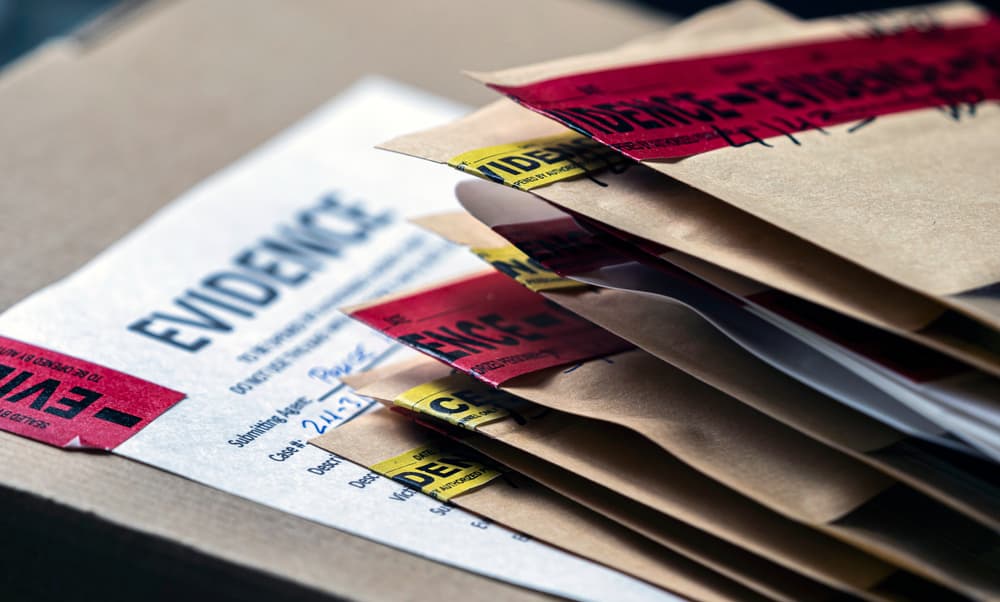
Building a self-driving car accident case requires evidence that typical accident claims do not. In addition to police reports, photographs, and medical records, these cases often rely on:
- Vehicle event data recorders and onboard system logs
- Autopilot or FSD engagement records showing whether the system was active
- Camera and sensor data from the vehicle at the time of the crash
- NHTSA complaint records and recall documentation related to the vehicle
- Expert analysis of whether the system performed within its design specifications
- Records of prior incidents involving the same system or similar failure modes
This data is held by the manufacturer and must be preserved and obtained promptly. Delay in pursuing a claim can mean that relevant records become harder to access.
Compensation Available in Self-Driving Car Accident Cases
Compensation in these cases is intended to address both the financial and personal consequences of the injury.
Economic damages may include medical treatment and ongoing care costs, lost income during recovery, reduced future earning capacity when injuries affect the ability to work, and the cost of rehabilitation or assistive services. In cases where a defective system caused the crash, future medical needs may be significant and should be fully accounted for in the claim.
Non-economic damages reflect losses that do not appear on a bill: physical pain, emotional distress, loss of independence, and the lasting changes an injury can bring to daily life. California does not cap non-economic damages in most personal injury cases, which means a serious injury claim can and should address these losses in full.
When a manufacturer's conduct involves something beyond ordinary negligence, such as knowingly deploying defective technology, misrepresenting system capabilities to consumers, or ignoring evidence of recurring failures, California Civil Code § 3294 permits punitive damages. These are designed to hold companies accountable for conduct that rises above carelessness into something more culpable.
In autonomous vehicle cases, particularly those involving documented patterns of system failure and aggressive marketing claims, punitive damages are worth evaluating as part of the overall claim.
Statute of Limitations for Autonomous Vehicle Claims
Under California Code of Civil Procedure § 335.1, most personal injury claims must be filed within two years of the date of injury. Claims against government entities, such as accidents involving publicly maintained roads or government vehicles, require a formal claim within six months.
In some autonomous vehicle cases, the full nature of what caused the crash may not be apparent immediately. The discovery rule may allow the limitations period to begin when the injury and its cause were reasonably identified rather than on the date of the accident. Our attorneys review timelines carefully at the outset of every case to make sure nothing is lost to a procedural deadline.
Frequently Asked Questions About Self-Driving Car Accidents in California
Can I sue Tesla if Autopilot was involved in my accident?
Yes, a claim against Tesla may be viable if the Autopilot or FSD system failed to perform as designed, or if Tesla's marketing led you to rely on the system in a way that exceeded its actual capabilities. These cases require vehicle data, expert analysis, and a thorough review of Tesla's representations about the technology. Results vary depending on the facts, but courts have found manufacturer liability in Autopilot cases, and Tesla has settled a number of these claims.
What if I was partially at fault for the crash?
California's comparative fault system allows recovery even when a plaintiff shares some responsibility. Compensation may be reduced in proportion to the plaintiff's percentage of fault, but it is not automatically eliminated. In self-driving cases, manufacturers often argue that driver inattention was the primary cause. How those arguments are rebutted depends on what the evidence shows about system performance.
Are these cases more complicated than regular car accident claims?
They generally are. In addition to standard liability analysis, autonomous vehicle cases require interpreting technical data, working with engineering experts, and often confronting manufacturers with significant legal resources. That complexity is also why early investigation matters, because evidence that is critical in these cases can be difficult to obtain if it is not preserved promptly.
Contact a California Self-Driving Car Accident Lawyer at Galine, Frye, Fitting & Frangos
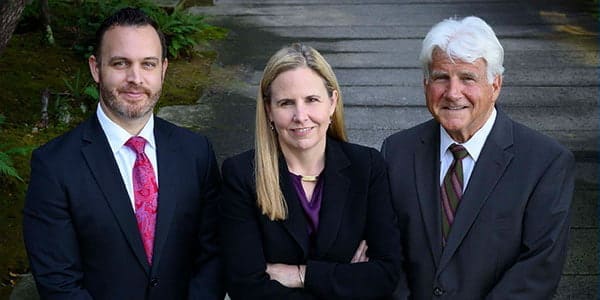
Self-driving car accident claims involve legal questions that are still developing, which means the facts of an individual case matter enormously. Our firm represents injured clients and families across California in these emerging claims, working to hold drivers, manufacturers, and software developers accountable when their conduct leads to harm.
We handle these cases on a contingency fee basis, which means no upfront costs and no fees unless you receive compensation. We also work with clients in Greek, Spanish, and Chinese. If you were injured in an accident involving autonomous or semi-autonomous technology, contact us to schedule a free consultation.