Everyone makes mistakes behind the wheel — missing a turn, braking too late, or getting distracted for a second too long. However, when a driver’s behavior goes beyond simple negligence and becomes dangerously indifferent to the safety of others, California law considers it reckless driving.
Reckless driving isn’t just a traffic violation; it’s a criminal offense that can cause devastating injuries, expensive property damage, and life-altering consequences. For car crash victims, understanding what qualifies as reckless driving in California can be crucial to proving who is responsible and recovering full compensation after a serious crash. Speaking with an experienced San Mateo car accident lawyer can help you navigate this process and protect your rights.
Whether you’re a California driver simply trying to understand the law or someone recovering from injuries caused by another person’s reckless behavior, let’s take a look at how the state of California defines reckless driving, the penalties involved, and what victims need to know about pursuing a personal injury claim for losses caused by a reckless driver.
Key Takeaways About Reckless Driving in California
- California defines reckless driving as operating a vehicle with willful or wanton disregard for the safety of others.
- Common examples include excessive speeding, aggressive maneuvers, racing, or driving under the influence.
- Reckless driving is a misdemeanor offense that can lead to jail time, fines, and license suspension.
- Victims of reckless driving accidents may be entitled to compensation from the reckless driver for medical bills, lost wages, and emotional trauma.
- Proving reckless driving often requires eyewitness accounts, traffic data, and expert testimony.
Table of contents
- Key Takeaways About Reckless Driving in California
- What is the Legal Definition of Reckless Driving in California?
- Examples of Reckless Driving Behaviors
- How Reckless Driving Differs from Negligent Driving
- What are the Penalties for Reckless Driving in California?
- How Does Reckless Driving Impact Catastrophic Injury Cases?
- Proving Reckless Driving in a Civil Claim
- What Compensation is Available to Victims of Reckless Driving Crashes?
- What to Do If You’ve Been Injured by a Reckless Driver
- FAQs About Reckless Driving in California
- If You Were Injured by a Reckless Driver, Contact Galine, Frye, Fitting & Frangos to Protect Your Rights
What is the Legal Definition of Reckless Driving in California?
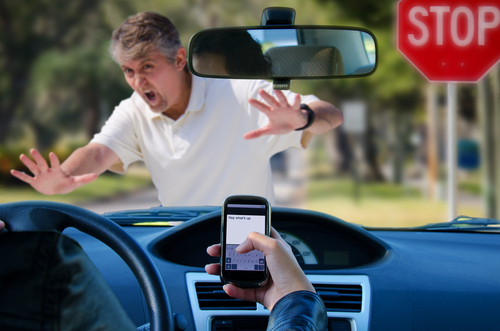
California Vehicle Code §23103(a) defines reckless driving as operating a vehicle “in willful or wanton disregard for the safety of persons or property.”
Let’s break down the two key phrases that matter here:
- “Willful or wanton disregard” means the driver knew their behavior was dangerous but chose to proceed anyway.
- “Safety of persons or property” covers not only other motorists but pedestrians, bicyclists, and even public or private property.
Unlike ordinary negligence, such as failing to signal a lane change, reckless driving involves a conscious decision to take unnecessary risks. A resulting crash is not considered “an accident” in the traditional sense; it’s a deliberate disregard for safety that makes severe injury or death more likely. Victims may have the right to claim after a car accident involving distracted driving when such reckless behavior leads to serious harm.
Examples of Reckless Driving Behaviors
Reckless driving can take many forms depending on the circumstances. Courts and law enforcement often look for patterns of extreme or aggressive behavior that go beyond a simple traffic mistake.
Common examples include:
- Excessive speeding: Driving far above the posted limit or too fast for road conditions.
- Street racing: Engaging in speed contests or racing other vehicles on public roads.
- Tailgating and road rage: Following too closely, brake-checking, or intentionally intimidating other drivers.
- Running red lights or stop signs: Ignoring clear traffic controls with disregard for cross traffic.
- Illegal passing: Overtaking on blind curves, in intersections, or in no-passing zones.
- Driving under the influence: Operating a vehicle while impaired by drugs or alcohol.
- Weaving through traffic: Making unsafe lane changes at high speeds.
- Evading law enforcement: Attempting to flee or elude a police officer in pursuit.
Each of these actions increases the likelihood of a catastrophic collision, especially when combined with heavy traffic or adverse weather conditions.
How Reckless Driving Differs from Negligent Driving
It’s important to understand the difference between recklessness and negligence, as it affects both criminal charges and civil liability.
- Negligent driving is a failure to use reasonable care. The driver didn’t intend harm but acted carelessly. A common example is failing to check blind spots or texting while driving.
- Reckless driving, on the other hand, involves intent. The driver knows the behavior is unsafe and continues anyway, consciously ignoring the risk to others.
Proving recklessness (rather than simple negligence) can strengthen a personal injury claim in a civil lawsuit. In some cases, it may even justify an award of punitive damages against the reckless driver. Punitive damages are additional compensation granted by a judge that is meant to punish especially dangerous behavior and deter that type of behavior in the future, such as in a car accident caused by road rage.
What are the Penalties for Reckless Driving in California?
California law treats reckless driving seriously, even for first-time offenders. The criminal penalties vary depending on whether the conduct caused injury or property damage.
Standard Reckless Driving
- Penalties for crimes classified as a misdemeanor offense.
- Punishable by 5 to 90 days in jail and/or fines between $145 and $1,000.
- May include license suspension and probation.
Reckless Driving Causing Injury (Vehicle Code §23104)
If reckless driving causes bodily harm to another person, penalties increase to:
- Up to six months in jail for minor injuries.
- Up to three years in state prison for serious or permanent injuries.
- Potential license revocation and long-term impact on insurance rates and criminal record.
Reckless Driving Causing Death
When reckless driving results in a fatal crash, the driver may face charges for vehicular manslaughter or gross negligence manslaughter, both carrying significant prison time.
These criminal consequences are separate from civil liability, meaning even if the driver serves time, the family of the victim can still pursue damages against the driver through a wrongful death lawsuit.
How Does Reckless Driving Impact Catastrophic Injury Cases?
For auto accident victims, the impact of reckless driving can be catastrophic. These are not low-speed collisions or minor fender-benders. They often involve high-speed, violent impacts that can cause devastating injuries such as:
- Traumatic brain injuries (TBIs)
- Spinal cord injuries or paralysis
- Crushed bones and internal organ damage
- Severe burns or lacerations
- Permanent disability or disfigurement
The physical, emotional, and financial impact of these injuries can last a lifetime. Victims may face years of medical treatment, loss of their personal independence, and an uncertain financial future due to a reckless driver’s bad decisions. In some severe cases, car accident claims go to court to ensure victims receive full and fair compensation for their losses.
Because reckless driving cases often involve extreme behavior, they may also support claims for enhanced damages, holding the at-fault driver fully accountable for their choices.
Proving Reckless Driving in a Civil Claim
To recover compensation in a personal injury case, you must show that the other driver’s conduct was reckless and that it directly caused your injuries or the loss of your loved one. Evidence plays a critical role in building this proof.
Key Evidence in Reckless Driving Cases
A skilled personal injury lawyer can perform an extensive investigation to uncover important evidence to support a civil lawsuit against a reckless driver, including items such as:
- Police reports describing the driver’s behavior, citations, or arrest.
- Eyewitness statements confirming high-speed or dangerous maneuvers.
- Traffic camera or dashcam footage showing the sequence of events.
- Accident reconstruction analysis to determine speed, braking, and impact angles.
- Cell phone data revealing distracted or aggressive driving before the crash.
- Toxicology results in cases involving impairment.
In California, proving willful or wanton disregard may also require expert testimony to explain how the driver’s conduct deviated from accepted safety standards and amounted to more than simple negligence.
What Compensation is Available to Victims of Reckless Driving Crashes?

Victims of reckless driving accidents in California may be entitled to significant compensation depending on the severity of their injuries and the circumstances of the crash. Damages may include:
- Medical expenses: Current and future hospital, rehabilitation, and therapy costs.
- Lost wages: Income lost during recovery or due to disability.
- Loss of earning capacity: Long-term inability to work or reduced ability to perform one’s occupation.
- Pain and suffering: Physical pain, emotional distress, and reduced quality of life.
- Property damage: Repair or replacement costs for damaged vehicles.
- Punitive damages: In extreme cases, additional compensation to punish and deter reckless behavior.
Every personal injury case is unique, and the value of a claim depends on medical documentation, expert opinions, and how clearly recklessness can be proven. For guidance on the next steps, victims should ask my car accident attorney about how evidence can strengthen their case and increase the potential compensation.
What to Do If You’ve Been Injured by a Reckless Driver
If you’ve already received medical care and are recovering from a collision caused by reckless driving, there are steps you can take to protect your health, your finances, and your legal rights.
1. Continue Following All Medical Advice
Attend every appointment, follow treatment plans, and document your recovery. Medical consistency not only helps you heal but also strengthens your injury claim.
2. Preserve All Evidence
Keep copies of police reports, medical records, and photos from the scene. If witnesses provided statements or contact information, save those details for your attorney.
3. Avoid Discussing Fault
Don’t speak with the at-fault driver’s insurance company or make recorded statements without legal guidance. Insurers may try to minimize their insured’s liability or shift blame to you early in the process to persuade you to take a lowball settlement offer.
4. Track Your Financial and Emotional Impact
Document how your injuries affect your daily life. Note any missed work, mobility issues, missed family or social events, or other emotional distress. These details can help calculate non-economic damages later.
5. Consult an Experienced Personal Injury Lawyer With Experience in Handling Reckless Driving Accident Cases
An experienced California personal injury attorney can evaluate the strength of your case, preserve crucial evidence, and guide you through settlement negotiations or trial if needed.
FAQs About Reckless Driving in California
Is reckless driving the same as aggressive driving?
Not exactly. Aggressive driving involves multiple traffic violations committed in anger, while reckless driving focuses on the driver’s conscious disregard for safety. However, many aggressive driving behaviors — such as tailgating or weaving — can meet the legal threshold for recklessness.
Can I sue a reckless driver even if they weren’t criminally convicted?
Yes. Civil cases are separate from criminal proceedings and have a lower burden of proof. You can still pursue compensation even if the driver wasn’t charged or convicted.
Does speeding always qualify as reckless driving?
Not necessarily. Speeding becomes reckless when it’s excessive or done under unsafe conditions, for example, 100 mph on a crowded freeway or during heavy rain.
Can passengers file claims against reckless drivers?
Absolutely. Passengers injured by a reckless driver — whether it’s their own driver or another motorist — have the same right to seek compensation for their injuries as another driver who was injured in a crash.
How long do I have to file a reckless driving injury claim in California?
Most California personal injury claims must be filed within two years of the date of the accident. However, shorter deadlines may apply if government vehicles or entities were involved. Consult an attorney as soon as possible to ensure your claim meets all filing requirements.
If You Were Injured by a Reckless Driver, Contact Galine, Frye, Fitting & Frangos to Protect Your Rights

If you or a loved one has suffered serious injuries due to another driver’s reckless behavior, you don’t have to fight for your rights and decipher the California legal system on your own. Complex cases like these require careful investigation, strong evidence, and a clear understanding of California’s personal injury laws.
Call the legal professionals at Galine, Frye, Fitting & Frangos at (650) 345-8484 for a free consultation. Our dedicated personal injury team represents individuals and families across California in catastrophic injury cases caused by reckless, negligent, or aggressive drivers.
Reach out today to discuss your situation and learn how we can help you pursue accountability and the compensation you deserve.