
Knowing what to do after a car accident in San Mateo can feel overwhelming, especially when injuries, vehicle damage, and insurance questions arise all at once. While every accident is different, the steps you take, and when you take them, can significantly affect your health, your finances, and any potential legal claim.
This legal timeline breaks down what to focus on immediately after a crash, in the days that follow, and as the claims process begins, so you can protect yourself and avoid common mistakes.
Immediately After the Accident (Minutes to the First Hour)
Prioritize Safety and Call 911
Your first concern should always be safety. Check yourself and others for injuries and call 911 if anyone is hurt, traffic is blocked, or vehicles are creating a hazard. In busy San Mateo corridors such as El Camino Real, Highway 92, and US-101, secondary accidents can happen quickly.
If it is safe to do so, move vehicles out of traffic and turn on hazard lights.
Document the Scene
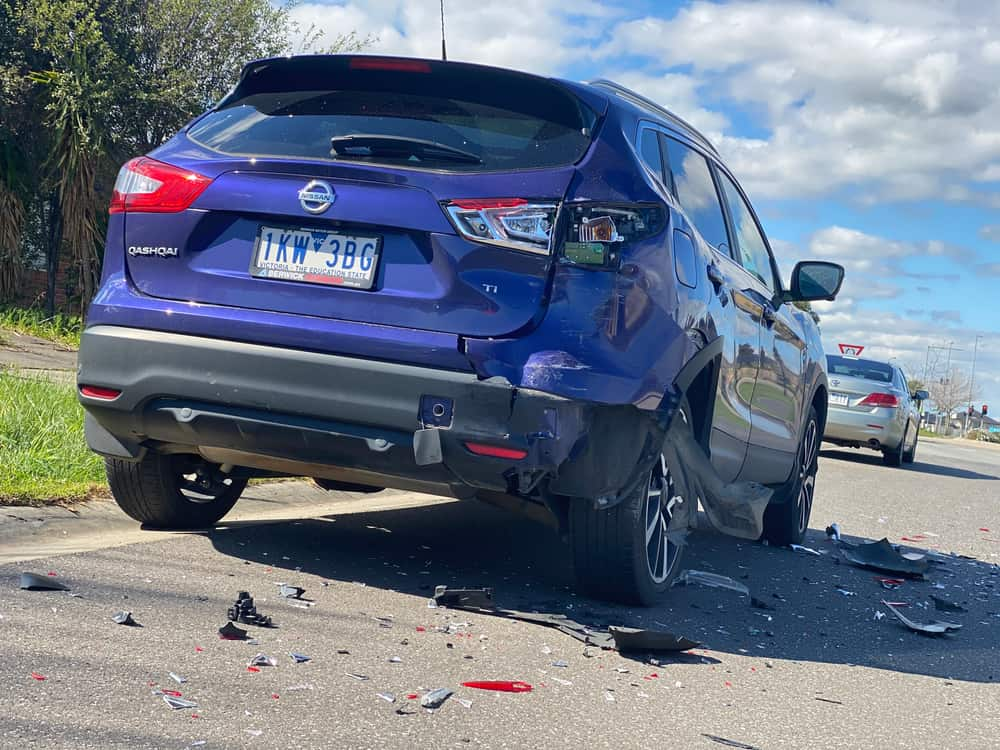
Before vehicles are moved and conditions change, gather as much information as possible:
- Photos of vehicle damage from multiple angles
- License plates and insurance cards
- Skid marks, debris, and road conditions
- Traffic signals, signage, and lane markings
This documentation can later help establish fault, especially when drivers give conflicting accounts.
Exchange Information—Carefully
California law requires drivers to exchange identifying and insurance information. Stick to basic facts. Avoid discussing fault or speculating about what caused the crash, as statements made at the scene can later be misinterpreted.
Within the First 24 Hours
Seek Medical Evaluation
Even if you feel “okay,” medical evaluation is critical. Many car accident injuries, such as concussions, soft-tissue injuries, and spinal trauma, do not cause immediate symptoms.
Prompt medical care:
- Protects your health
- Creates a clear record linking injuries to the accident
- Reduces the risk of insurers claiming injuries were unrelated
Delaying treatment is one of the most common issues that weakens otherwise valid injury claims.
Ensure an Accident Report Exists
If police responded to the scene, an accident report will typically be generated. If they did not, you may still need to file a report depending on the circumstances. Police reports often include diagrams, witness statements, and officer observations that become important later.
The First Few Days After the Accident
Notify Your Insurance Company
Most insurance policies require timely notice of an accident. When reporting the crash:
- Provide basic facts (date, time, location)
- Avoid recorded statements unless necessary
- Do not guess or speculate
Insurance adjusters may sound helpful, but their role is to limit payouts. Keeping communication factual helps protect your interests.
Preserve Evidence
Evidence can disappear quickly. Vehicle damage gets repaired, surveillance footage may be overwritten, and memories fade. Keep copies of:
- Photos and videos
- Medical records and bills
- Repair estimates
- Tow and rental receipts
Organizing documents early helps prevent delays later.
The Weeks Following the Accident
Follow Medical Recommendations
Continue following medical advice and keep records of all visits, diagnoses, and treatment plans.
Track How the Accident Affects Daily Life
Beyond medical bills, car accidents often affect work, mobility, and daily activities. Document:
- Missed work and lost income
- Physical limitations
- Pain levels and recovery challenges
This information can help show the full impact of the accident.
When Legal Questions Typically Arise
Fault Disputes and Comparative Negligence

California follows a comparative fault system. This means compensation can be reduced if you are found partially responsible for the accident. Even a small percentage of fault can significantly affect a claim’s value.
Disputes over fault often arise when:
- Drivers give conflicting statements
- There are no clear witnesses
- Lane changes or intersections are involved
Insurance Delays or Denials
If an insurer disputes liability, undervalues injuries, or delays processing a claim, understanding your legal options becomes increasingly important. These issues often surface weeks or months after the accident, not immediately.
Why Timing Matters After a San Mateo Car Accident
Understanding what to do after a car accident in San Mateo is not just about taking the right steps—it is about taking them at the right time. Evidence collected early, medical care sought promptly, and careful communication can all shape the outcome of an injury claim.
Mistakes made in the first few days are often difficult to correct later.
The Importance of Legal Guidance During a Car Accident Claim
Car accident claims often seem simple at the beginning, but issues can surface as time goes on. Questions about who was at fault, how serious an injury really is, or whether treatment was necessary are common once insurance companies start reviewing a claim.
Having an experienced attorney can help people understand how California’s fault rules work, what evidence actually matters, and how insurers typically evaluate accident claims. This can be especially helpful when injuries take time to heal or when an insurance company pushes back on medical care or settlement value.
Having support during the claims process can also make it easier to stay organized and avoid missteps when dealing with adjusters, paperwork, and deadlines. While not every car accident requires legal help, knowing when guidance could be useful allows injured individuals to make clearer, more confident decisions as their claim moves forward.
Moving Forward After a Car Accident
A car accident can disrupt your life in ways you do not expect. While no timeline fits every situation, following a structured approach helps protect your health and your rights. Staying informed, organized, and proactive allows you to focus on recovery while minimizing unnecessary complications.