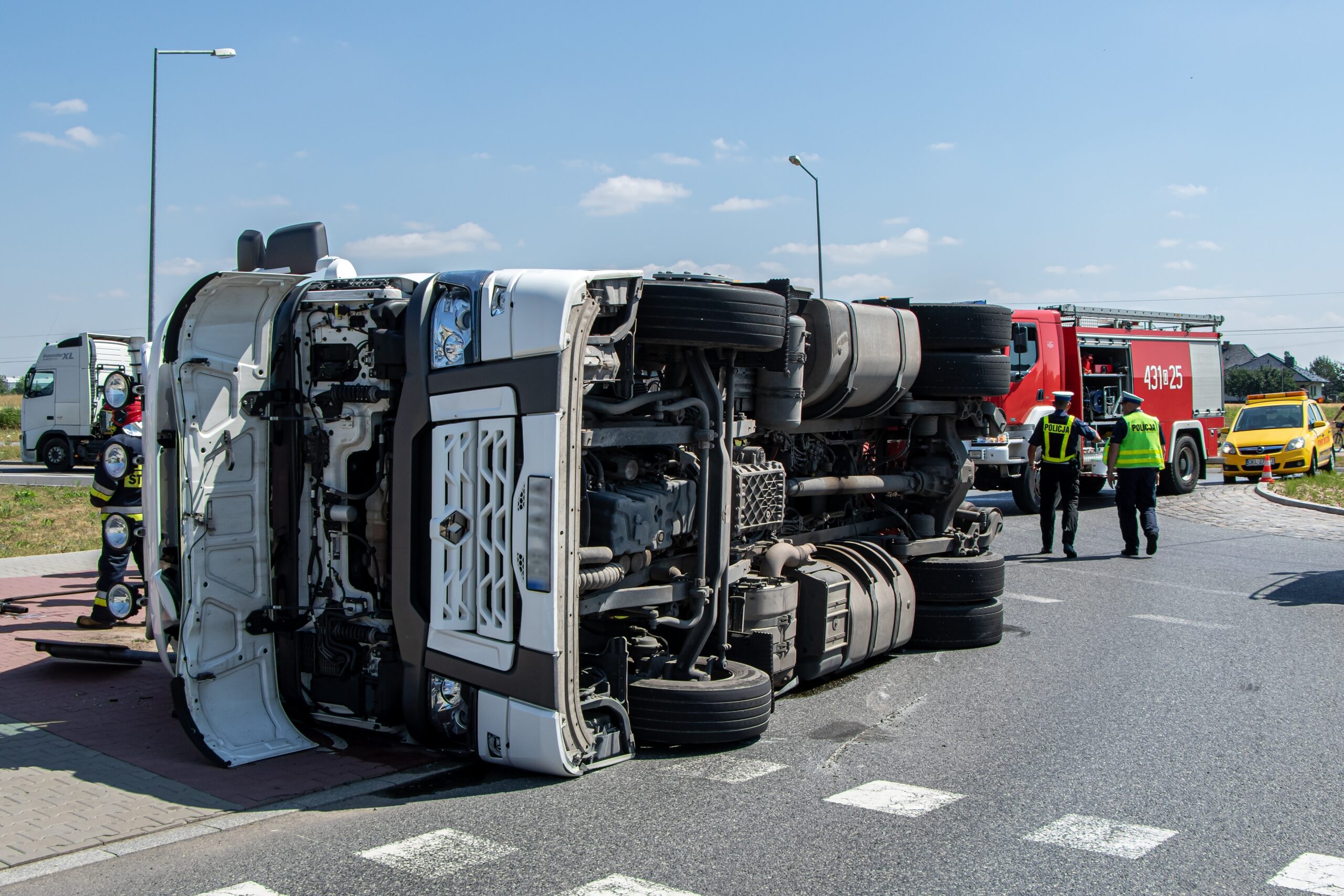
A collision with a commercial truck can change your life in an instant. Tractor-trailers, delivery trucks, and other large commercial vehicles can weigh up to 80,000 pounds. That’s more than 20 times the weight of a typical passenger car. When that kind of mass collides with a smaller vehicle, the injuries are often catastrophic.
Chances are you’ve already received medical treatment, and you’re now in the hospital or at home recovering, and probably wondering what comes next. You’re likely facing not just daily pain and physical restrictions, but mounting bills, lost income, and uncertainty about your future. Speaking with an experienced San Mateo truck accident lawyer can help you understand your options and take the right steps toward recovery and financial stability.
If you are worried about protecting your legal rights and improving your chances of a full recovery, it’s crucial to understand the complexities of truck accident cases in California. Let’s dig into what you should know after being involved in a truck accident in California — from how liability is determined to what evidence can make or break your case.
Key Takeaways About California Truck Cases
- Truck accident cases in California are legally complex and often involve multiple liable parties beyond the driver.
- Federal and state trucking regulations play a major role in proving who was negligent.
- Early preservation of evidence, including electronic black box data and maintenance records, is critical.
- Victims of catastrophic truck accidents may face lifelong medical, vocational, and financial challenges.
- Working with experienced legal counsel helps ensure you receive full compensation for medical costs, lost income, and long-term damages.
Table of contents
- Key Takeaways About California Truck Cases
- Understanding the Scale and Severity of Truck Accidents in California
- Why Truck Accident Claims Are So Complex
- The Importance of Early Evidence Preservation
- Understanding Liability and Negligence in Truck Accidents
- What Damages are Recoverable After a Catastrophic Truck Accident?
- What to Do After a Truck Accident in California (Post-Recovery Phase)
- Long-Term Challenges After a Catastrophic Truck Accident
- FAQs About Truck Accidents in California
- Contact the Truck Accident Lawyers at Galine, Frye, Fitting & Frangos to Learn More During a Free Consultation
Understanding the Scale and Severity of Truck Accidents in California
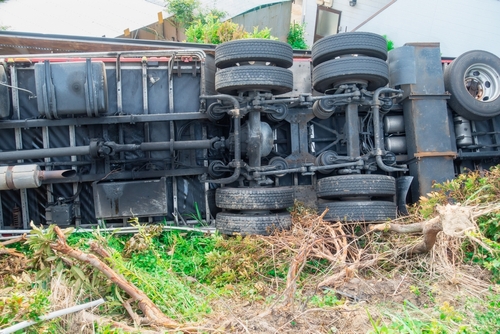
California’s highways are vital to the state’s economy, and some of the most dangerous roads for truck traffic in the nation. Routes like I-5, Highway 99, and U.S. 101 carry thousands of commercial trucks daily, many traveling long distances under tight deadlines. Consult a lawyer for a truck accident to understand your rights if you are injured in one of these high-traffic corridors.
Because of their size and weight, trucks require far longer stopping distances and create significantly greater impact forces during a crash. Trucking collisions often result in catastrophic injuries such as:
- Severe traumatic brain injuries (TBIs) from sudden braking, stopping, or impact.
- Spinal cord damage and paralysis from crushed vehicle cabins.
- Multiple fractures and internal injuries due to the sheer force of the collision.
- Psychological trauma from surviving or witnessing a devastating crash.
The road to recovery after a truck accident is often long and uncertain. Medical bills accumulate quickly, while insurance companies work to minimize payouts. With so many complicating factors in a semi-truck crash, it’s important for injured victims to understand how truck accident cases differ from standard car crashes and why you should partner with an experienced legal team to guide you through the legal process.
Why Truck Accident Claims Are So Complex
Truck accident cases aren’t handled like ordinary vehicle collisions. They involve multiple layers of liability, extensive federal and state regulations, and often high-stakes, big-dollar litigation. Here’s what makes them so complex:
1. Multiple Parties May Be Held Liable
Unlike a two-car crash, a truck accident often involves several potentially responsible parties, such as:
- Truck driver: May be liable for negligent driving due to fatigue, distraction, speeding, or substance use, for example.
- Trucking company: Can be responsible for negligent hiring, poor supervision, or unrealistic delivery schedules.
- Cargo loaders: Improperly secured or overweight loads can shift and cause a crash.
- Maintenance contractors: Missed inspections or faulty repairs may contribute to equipment failure.
- Truck or parts manufacturers: Design or component defects like tire blowouts or brake malfunctions can play a role.
Each party likely has its own insurance carrier and team of defense attorneys, creating a complicated web of negotiations and evidence requirements. Understanding the causes of truck accidents can help identify which parties may be held accountable for the crash.
2. Federal and State Trucking Regulations
Truck drivers and carriers must comply with both federal and California state regulations, including:
- Hours of Service (HOS) rules limit how long drivers can operate without rest.
- Vehicle inspection and maintenance standards set by the Federal Motor Carrier Safety Administration (FMCSA).
- Weight and load restrictions for cargo.
- Drug and alcohol testing requirements for commercial drivers.
Violations of these rules can directly support a negligence claim, but proving them requires detailed investigation and access to records under the trucking companies’ control. A skilled truck accident lawyer knows how to obtain this evidence to help build a strong case on your behalf.
3. Aggressive Defense and Insurance Tactics
Because commercial policies often carry coverage in the millions, insurance carriers fight hard to limit payouts. They may:
- Dispute the extent of your injuries.
- Argue that you were partially at fault.
- Delay communication to pressure you into a low settlement.
Without experienced legal representation, many victims underestimate the true value of their claim and settle for less than they deserve. While you are focusing on recovering from your physical and emotional injuries, you don’t need to deal with teams of lawyers and adjusters trying to shortchange you. Knowing what to do after a truck accident can protect your rights and strengthen your case for fair compensation.
The Importance of Early Evidence Preservation
Truck accidents generate an enormous amount of potential evidence, but much of it can disappear quickly if not preserved. After a truck crash, the company and its insurance team move quickly to gather information and resolve any claims. You need someone to act on your behalf at this point. Once you’re physically stable, the next step is to make sure critical data isn’t lost or destroyed.
Key Evidence That Can Strengthen Your Case
Some of the accident evidence that can help support your claim for compensation includes:
- Electronic Logging Device (ELD) data: Records the truck driver’s driving hours, rest breaks, and speed before the crash.
- Maintenance and inspection reports: Reveal whether safety checks were skipped.
- Truck driver logs and employment files: Show training, disciplinary history, or violations.
- Cargo manifests: Indicate whether the truck was overloaded or improperly balanced.
- Vehicle “black box” data: Captures braking, acceleration, and steering activity prior to the crash.
- Dashcam or surveillance footage: Can show driver behavior and accident sequence.
- Witness statements and accident reconstruction reports: Provide clarity on fault.
Because trucking companies typically control much of this information, your attorney may issue a spoliation letter to protect your claim. This is a legal notice requiring preservation of evidence. Acting quickly helps ensure nothing is deleted or altered before it can be reviewed. Understanding the different types of truck accidents can also help determine how the crash occurred and who may be held responsible.
Understanding Liability and Negligence in Truck Accidents
Establishing liability in a truck accident involves more than proving who hit whom; it’s about demonstrating negligence at multiple levels of operation. Multiple parties may have acted negligently to cause your commercial trucking accident, including:
Driver Negligence
Common driver-related causes of California truck accidents include:
- Fatigue from exceeding legal driving hours.
- Distracted driving (e.g., texting, GPS use).
- Driving under the influence of alcohol or stimulants.
- Speeding or tailgating in heavy traffic.
- Failing to adjust to weather or road conditions.
Employer Negligence
Trucking companies can be held liable under the legal theory of respondeat superior (an employer can be held responsible for employee acts) or directly if they:
- Failed to properly train or supervise drivers.
- Ignored red flags in hiring or background checks.
- Pressured drivers to meet unrealistic deadlines that encourage unsafe driving.
- Cut corners on maintenance or safety compliance.
Third-Party Negligence
Other entities’ actions may have eventually led to the crash, such that they may bear some responsibility as well. Consider these potentially negligent parties:
- Cargo loaders may have improperly distributed the weight of the load or failed to fasten it properly.
- Vehicle or parts manufacturers may have supplied defective brakes, tires, or steering systems.
- Contractors responsible for vehicle maintenance may have skipped necessary repairs.
Because multiple parties may share fault, litigation often involves cross-claims between the defendants and expert testimony to allocate responsibility among everyone involved. Filing a truck accident lawsuit can help ensure all negligent parties are held accountable and that you pursue the full compensation you deserve.
What Damages are Recoverable After a Catastrophic Truck Accident?
Truck accident victims often face lifelong consequences that extend far beyond immediate medical costs. In California, you can request compensation for your losses, known as legal damages, including:
- Medical expenses: Hospitalization, surgeries, therapy, and medications.
- Future medical care: Long-term rehabilitation, assistive devices, or home modifications.
- Lost wages and diminished earning capacity: For victims unable to return to work.
- Pain and suffering: For physical pain, emotional distress, and loss of enjoyment of life.
- Loss of consortium: For spouses or partners affected by the victim’s injuries.
- Punitive damages: In rare cases where the defendant’s conduct was reckless or malicious, the court may award these damages to punish the wrongdoer and deter future bad behavior.
A comprehensive accident claim must account for both current and future losses to ensure you receive sufficient compensation for your future. However, insurance companies will rarely calculate your future needs accurately without a tenacious legal team intervening on your behalf. Gathering evidence from a truck accident claim is essential to prove liability, document damages, and secure the compensation you are entitled to.
What to Do After a Truck Accident in California (Post-Recovery Phase)
Once you’ve received emergency care and are recuperating, the steps you take can shape the outcome of your claim. Your physical recovery is paramount, and you should keep your focus on your medical needs. At the same time, a dedicated legal team can take strategic action to protect your financial and legal future.
While you recover, here are five steps you can take to help your lawyers build a strong case:
1. Continue All Medical Treatment
- Attend all follow-up appointments and physical therapy.
- Follow doctors’ recommendations precisely. Any gaps in your care can be used against you.
- Keep detailed notes about symptoms, pain levels, and physical limitations.
2. Consult a California Truck Accident Attorney
Truck accident claims require immediate and informed action. An experienced attorney can:
- Secure black box and ELD data before it’s erased.
- Identify all liable parties and insurance policies.
- Coordinate expert witnesses to prove liability and damages.
- Negotiate from a position of strength or take the case to trial if necessary.
3. Organize Your Documentation
- Store all medical records, hospital bills, and prescriptions somewhere safe.
- Save correspondence from insurance companies and medical providers.
- Keep track of any phone calls from insurers, note who you spoke to, and what was discussed. Always refer them to your legal team to answer any questions.
- Keep a personal recovery journal describing your daily challenges.
4. Preserve Evidence and Witness Information
If possible, collect and store:
- Copies of the police report and crash documentation.
- Photos or videos of your injuries and vehicle damage.
- Contact information for witnesses or first responders.
5. Avoid Common Insurance Traps
- Never give recorded statements without consulting an attorney.
- Don’t sign release forms or accept early settlements.
- Do not post about your accident or injuries on social media. Insurance companies will review social media for posts they can use to question your injuries and reduce your compensation.
Long-Term Challenges After a Catastrophic Truck Accident
Truck accident victims frequently face long-term consequences that affect every aspect of life. These may include:
- Permanent physical limitations requiring assistive devices or home modifications.
- Emotional trauma from surviving a violent crash.
- Financial stress due to lost income and mounting bills.
- Family strain as spouses and children adjust to caregiving roles.
Recognizing these challenges early helps ensure they are included in any settlement or verdict. A strong claim should account for both visible and invisible losses, including the economic costs and profound human impact of catastrophic injury. Working with an experienced California truck accident attorney can help you build a case that fully reflects the scope of your losses.
FAQs About Truck Accidents in California
How long do I have to file a truck accident lawsuit in California?
In most cases, you have two years from the date of the accident to file a personal injury claim (Cal. Code Civ. Proc. §335.1). If a government vehicle or agency is involved, you may have only six months to file a notice of claim. Missing these deadlines will likely result in your case being dismissed, so it’s important to work with an experienced legal team as soon as possible.
What happens if the truck driver was from another state?
Out-of-state drivers and trucking companies are still subject to California jurisdiction if the crash occurred here. Your attorney can coordinate with federal regulations and insurance requirements to hold all responsible parties accountable.
Can I recover damages if I was partially at fault?
Yes. California follows a pure comparative negligence rule, meaning you can recover damages even if you share some blame. Your compensation will simply be reduced by your percentage of fault.
Are trucking companies required to carry special insurance?
Yes. Commercial trucks must carry significantly higher liability coverage (often $750,000 to $5 million or more) depending on the cargo type and route. This ensures funds are available to compensate severely injured victims.
What evidence is most important in proving a truck accident case?
Black box data, driver logs, maintenance records, and eyewitness statements are crucial. These help reconstruct what happened, establish fault, and demonstrate whether federal safety violations occurred.
Contact the Truck Accident Lawyers at Galine, Frye, Fitting & Frangos to Learn More During a Free Consultation

Recovering from a serious truck accident takes time, but protecting your rights shouldn’t wait. When your injuries are catastrophic, you need a legal team that understands how to handle complex, high-value cases against powerful trucking companies and insurers.
The San Mateo-based attorneys at Galine, Frye, Fitting & Frangos have decades of experience investigating truck accidents, working with experts, and securing life-changing compensation for victims across California.
Call (650) 345-8484 today for a free consultation. The firm’s team is ready to review your case, preserve key evidence, and help you pursue full recovery for the losses that have changed your life.