
A tibial plateau fracture is not the kind of injury you recover from in a few weeks with a bit of medical treatment. This injury involves a break at the top of the shinbone where it forms the lower half of the knee joint, and this type of fracture typically sets off a long chain of medical treatment, financial strain, and physical hardship that can reshape a person's life for months or even years.
When your tibial plateau fracture happened in a car accident, you likely have questions, including whether you can seek any relief from the party that caused the crash. It is important to first understand the full impact of this kind of traumatic injury on the different aspects of your life.
Emergency Care: The Immediate Medical Response
A tibial plateau fracture is a medical emergency. The forces involved in a car accident that cause this injury are significant, and the fracture itself is often accompanied by ligament tears, meniscus damage, and soft tissue trauma. In some cases, the injury triggers compartment syndrome, which is a dangerous buildup of pressure in the leg that requires emergency surgical intervention to prevent permanent nerve and muscle damage.
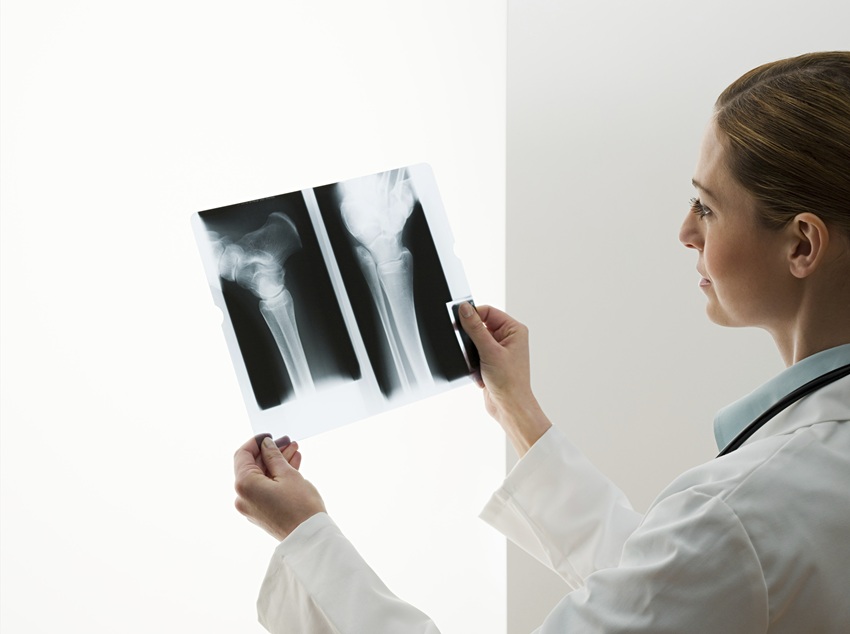
In the emergency room, diagnosis typically involves X-rays and a CT scan to assess the exact pattern and severity of the fracture. If surgery is needed, which is the case for most tibial plateau fractures, that may happen within days of the accident once swelling is sufficiently controlled. The initial hospital stay alone, including surgery, anesthesia, and post-operative monitoring, can generate medical bills in the tens of thousands of dollars before a patient ever leaves the facility.
Surgical Treatment and What Recovery Actually Looks Like
Most tibial plateau fractures require open reduction and internal fixation, a procedure in which a surgeon realigns the broken bone and secures it with plates and screws. The goal is to restore the joint surface as precisely as possible, because even small irregularities in alignment increase the risk of long-term arthritis.
After surgery, patients are typically non-weight-bearing for six to twelve weeks. That means no walking without assistive devices, no driving, and often no ability to perform even basic daily tasks independently. Physical therapy begins during this period to maintain the range of motion, and continues for months after weight-bearing resumes to rebuild strength and function.
Full recovery (to whatever extent it is achievable) commonly takes a year or more. Some patients require additional procedures, such as hardware removal, treatment for infections, or surgery to address complications that develop during healing. Every one of these appointments, procedures, and therapy sessions adds to the total medical cost of the injury.
Ongoing Medical Costs: The Long View
One of the most significant and often underestimated aspects of a tibial plateau fracture is the long-term medical picture. Because the fracture involves the cartilage surface of the knee joint, it places the joint at substantially elevated risk of developing post-traumatic arthritis, sometimes years after the original injury has healed.
That means ongoing costs:

- Pain management
- Anti-inflammatory medications
- Periodic imaging to monitor joint health
- Possible injections
- Rehabilitative therapy
- Eventually, for some patients, knee replacement surgery
These future medical expenses are real and quantifiable, and they are part of why tibial plateau fracture compensation in California is meant to account for more than just immediate bills.
Time Away from Work and the Financial Toll
The non-weight-bearing period alone makes returning to most jobs impossible in the short term. For people in physical occupations like the construction, healthcare, retail, and service industries, the timeline before they can safely return to full duties may extend to six months or longer. Even desk workers face challenges when their mobility is severely restricted.
Lost wages accumulate quickly. Combined with medical bills, the cost of home care or assistance during recovery, transportation to appointments, and modifications to daily life, the financial impact of a tibial plateau fracture can be substantial and ongoing. For those whose injuries permanently affect their ability to return to their prior occupation, the loss of future earning capacity adds another dimension to the total cost of the injury.
Pain, Suffering, and the Limitations on Life
The physical pain of a tibial plateau fracture, both from the injury itself and from surgical recovery, is significant and prolonged. The non-physical effects are equally real. Months of limited mobility affect independence, mental health, relationships, and quality of life in ways that are harder to quantify but no less important.
Patients often describe the frustration of being unable to participate in activities they previously took for granted, like:
- Walking
- Exercising
- Playing with children or grandchildren
- Traveling
- Simply moving through daily life without pain
Anxiety about whether the knee will ever fully recover, disrupted sleep from chronic discomfort, and the emotional weight of a prolonged and uncertain recovery are all part of the picture. For patients who develop lasting complications like arthritis or permanent stiffness, these limitations don't resolve; they become a permanent part of life.
Pain and suffering for a tibial plateau fracture is a recognized and often substantial component of a personal injury claim in California, precisely because the law acknowledges that the true cost of a serious injury extends far beyond what shows up on a medical bill.
Can You Seek Compensation in California?
If your tibial plateau fracture resulted from another party's negligence, California law provides a path to compensation for the full range of losses described above. This might be a driver who ran a red light, was distracted, or was driving under the influence, for example.
California does not cap non-economic damages in most personal injury cases, which means the law is designed to reflect the real human cost of serious injuries like this one. The state's two-year statute of limitations (Code of Civil Procedure § 335.1) means the clock starts on the date of the accident, so understanding your options sooner rather than later matters.
Understanding Your Options After a Tibial Plateau Fracture in California
A tibial plateau fracture caused by someone else's negligence is a serious injury with serious consequences, and California law recognizes that. The compensation available is designed to reflect not just what you've already paid and lost, but what this injury will continue to cost you in the months and years ahead.
If you or a loved one suffered a tibial plateau fracture in a California car accident, it's worth taking the time to understand the full value of your claim before making any decisions. The team at Galine, Frye, Fitting & Frangos can help you assess your situation and explore your options for recovery.