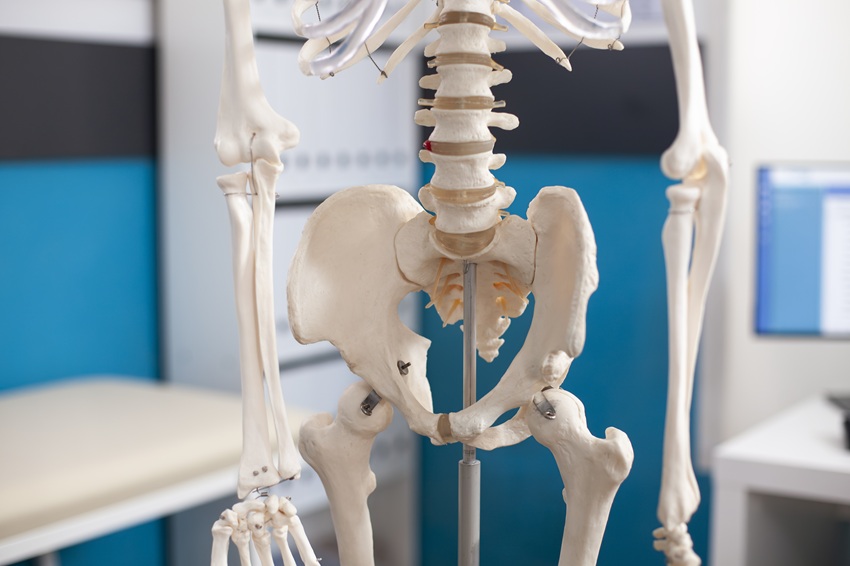
A broken humerus (the large bone that makes up your upper arm) is one of the more serious fractures a person can sustain in an accident. It can sideline you from work for weeks or months, require surgery and physical therapy, and leave lasting effects on your strength and range of motion. If your injury was caused by someone else's negligence, you may be wondering: how much compensation for a broken humerus can you realistically expect in California? In reality, the answer depends on several factors.
What Is a Humerus Fracture?
The humerus is the bone that runs from your shoulder down to your elbow. Fractures can occur in three general areas:

- Proximal humerus fractures: Near the shoulder joint, common in falls and vehicle collisions
- Mid-shaft fractures: In the middle of the bone, often caused by direct impact
- Distal humerus fractures: Near the elbow, which can involve the joint itself and are among the more complex to treat
Each type varies in severity. Some fractures are non-displaced and can be managed with immobilization; others are comminuted (shattered into multiple pieces) and require open surgery with plates, screws, or rods. The nature of your fracture will directly influence the compensation for a broken humerus you may be entitled to.
Common Causes of Humerus Fractures in California
In personal injury claims, a broken humerus typically results from:
- Car and motorcycle accidents: One of the most frequent causes, especially when a person braces for impact or is struck directly
- Slip-and-fall accidents: Falling onto an outstretched arm transfers tremendous force to the humerus
- Pedestrian and bicycle accidents: Collisions with vehicles often result in significant upper extremity trauma
- Workplace accidents: Falls from heights, being struck by objects, or machinery-related injuries
California personal injury law allows injured parties to seek compensation when another person or entity's negligence caused the accident. That might be a distracted driver, a property owner who failed to address a hazard, or an employer who violated safety regulations.
What Factors Determine Broken Humerus Compensation in California?

There is no fixed payout for a broken humerus, as every case is evaluated individually. However, the following factors typically shape the value of a claim.
Severity and Type of Fracture
A hairline fracture with a six-week recovery is very different from a comminuted fracture requiring multiple surgeries and leaving permanent nerve damage. More complicated injuries generally result in higher compensation for a broken humerus because medical costs, recovery time, and long-term impact are all greater.
Medical Expenses
Compensation covers all reasonable medical costs tied to the injury, which may include:
- Emergency room visits and diagnostic imaging (X-rays, CT scans, MRIs)
- Orthopedic surgery and anesthesia
- Hospital stays
- Prescription medications
- Physical and occupational therapy
- Future medical care if ongoing treatment is expected
California allows injured parties to recover both past and anticipated future medical expenses, which can significantly increase the total value of a claim.
Lost Income and Earning Capacity
A broken humerus often prevents people from working, especially those in physically demanding jobs. If you missed weeks or months of work, those lost wages are recoverable. If the injury permanently affects your ability to perform your job or limits your career options, you may also have a claim for diminished future earning capacity.
Pain and Suffering
California does not cap pain and suffering damages in most personal injury cases (unlike some states). This means that the physical pain, emotional distress, anxiety, and loss of enjoyment of life caused by your injury can all factor into your compensation. For a significant fracture with a long recovery, these non-economic damages can be a substantial portion of a settlement or verdict.
Permanent Impairment or Disability
Some humerus fractures result in lasting complications:
- Chronic pain
- Limited range of motion
- Nerve damage (such as radial nerve palsy)
- Post-traumatic arthritis
Permanent impairments increase compensation because they represent ongoing losses that affect quality of life well beyond the initial recovery period.
Liability and Shared Fault
California follows a pure comparative negligence rule. This means that even if you were partially at fault for the accident, you can still recover compensation, but your total award will be reduced by your percentage of fault. For example, if you were found 20% at fault and your damages totaled $100,000, you would recover $80,000.
What California Law Says About Injury Claims
Under California Civil Code § 3333, injured parties are entitled to recover the full measure of damages that compensate them for their losses. This includes both economic damages (medical bills, lost wages) and non-economic damages (pain and suffering, emotional distress).
California also has a two-year statute of limitations for personal injury claims under Code of Civil Procedure § 335.1. This means you generally have two years from the date of your accident to file a lawsuit. Waiting too long can result in losing your right to recover compensation entirely, so it is important to understand your timeline.
Challenges in Obtaining Full Compensation
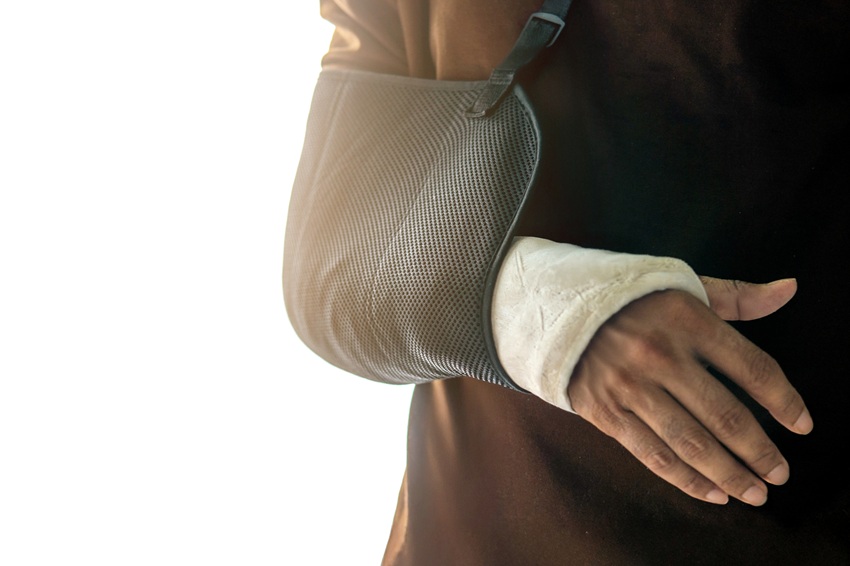
It is important to understand that insurance companies typically make initial settlement offers that do not reflect the full value of a claim. Factors like future medical costs and the long-term impact on your career and daily life are often undervalued in early offers. If you accept an early offer, you might end up with much less than you deserve.
The right legal representation can often counter insurer challenges and fight for the full compensation you need for your humerus fracture.
Steps to Take After a Broken Humerus Injury in California
If you sustained a humerus fracture due to someone else's negligence, the steps you take early on can significantly affect the strength of your claim:
- Seek immediate medical attention: A prompt diagnosis documents the injury and begins your treatment record
- Follow your treatment plan: Gaps in care can be used by insurance companies to argue your injury was not serious
- Document everything: Keep records of medical bills, correspondence with insurers, and any impact on your daily life
- Be cautious with insurers: Avoid giving recorded statements to insurance adjusters without understanding your rights
- Consult with a personal injury professional: California's laws around comparative fault, insurance bad faith, and damage caps (or lack thereof) can meaningfully affect your outcome
A California Injury Team is Waiting to Help
Broken humerus compensation in California depends on the full picture of how the injury affected your life, and not just the immediate medical bills. The type of fracture, how long recovery takes, whether you can return to work, and the lasting effects on your health all play a role in determining what a claim is worth.
If you or a loved one suffered a humerus fracture in an accident in California and want to understand your options, the team at Galine, Frye, Fitting & Frangos may be able to help you evaluate your situation.