A small number of people develop nerve-related complications following routine vaccinations, ranging from localized shoulder injuries to widespread autoimmune conditions affecting the peripheral nervous system. Federal programs exist to compensate individuals harmed by certain vaccines without requiring a traditional lawsuit against a manufacturer.
How Can a Vaccine Cause Nerve Damage?
Nerve damage linked to vaccination generally falls into two categories: immune reactions triggered by the vaccine itself and physical injuries caused by the injection. Both can produce lasting pain, weakness, and loss of function. A California nerve damage attorney can help you go through your options.
Immune-Mediated Mechanisms

Some vaccines prompt the immune system to mistakenly attack the body's own nerve tissue. The reaction usually appears days or weeks after vaccination and can affect nerves throughout the body:
- Molecular Mimicry: Antibodies produced to fight vaccine components may cross-react with nerve proteins that share similar structures, leading to inflammation and damage.
- Autoimmune Response: The immune system targets the myelin sheath around nerves, disrupting signals between the brain and the rest of the body.
- Inflammatory Cascade: White blood cells rush to nerve tissue and release chemicals that injure surrounding cells.
- Delayed Onset: Symptoms often surface two to six weeks after the shot, making the connection harder to spot at first.
Doctors diagnose immune-mediated nerve damage through blood tests, nerve conduction studies, and spinal fluid analysis. Early recognition matters because treatments like intravenous immunoglobulin (IVIG) and plasma exchange work best when started early in the course of symptoms.
Mechanical and Administrative Injuries
Other nerve injuries come from how or where the needle went in. These problems start almost immediately and often involve the shoulder or arm where the shot was delivered:
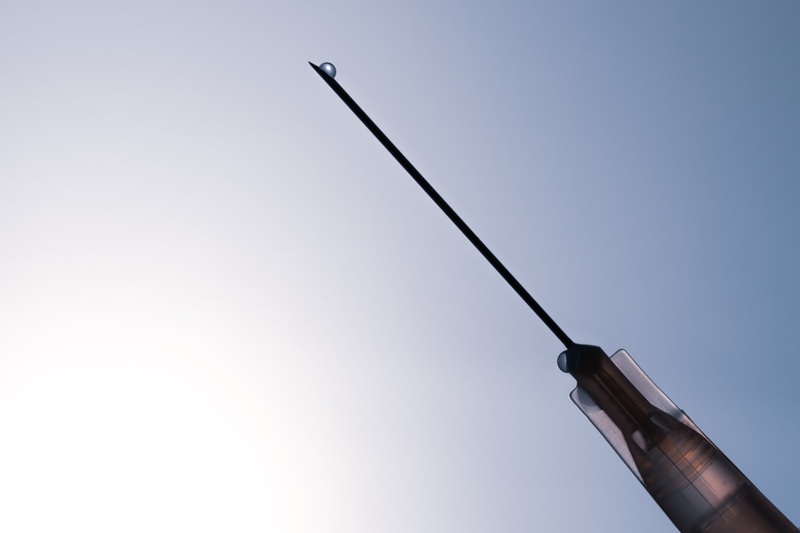
- Needle Placement Too High: Injection above the deltoid muscle can reach the bursa or rotator cuff tendons, triggering inflammation and shoulder injury related to vaccine administration (SIRVA) nerve damage.
- Needle Too Deep: A deep injection may contact the axillary nerve or brachial plexus running beneath the shoulder muscles.
- Direct Nerve Trauma: The needle itself can pierce a nerve, causing immediate shooting pain that radiates down the arm.
- Improper Angle: Shots given at the wrong angle spread vaccine material into tissues that do not readily absorb it.
Proper technique calls for injecting into the middle third of the deltoid muscle at a 90-degree angle. Training gaps, rushed clinics, and improper patient positioning all raise the risk of mechanical nerve injury during routine vaccinations.
How Long Does Nerve Damage Last After Vaccine Administration?
Recovery depends on the type of nerve affected, the severity of the injury, and the timing of treatment. Some people recover within weeks, while others deal with symptoms for months or years, and a portion experience permanent deficits.
Recovery Timelines by Vaccine-Related Nerve Conditions
Different conditions follow different paths to recovery, and doctors often cannot predict the exact timeline for any individual patient. Common vaccine-related nerve conditions are as follows:
- Guillain-Barré Syndrome (GBS): An autoimmune condition causing ascending weakness and paralysis after a vaccine, often starting in the legs. Most patients improve within six to twelve months, though about 20% retain significant disability.
- Chronic Inflammatory Demyelinating Polyneuropathy (CIDP): A longer-lasting cousin of GBS with symptoms of weakness and numbness that persist beyond eight weeks, often requiring ongoing immunotherapy.
- Brachial Neuritis (Parsonage-Turner Syndrome): Sudden severe shoulder pain followed by arm weakness. Recovery typically spans one to three years, with 75% regaining most function.
- SIRVA: Shoulder pain, limited range of motion, and weakness beginning within 48 hours of vaccination. Recovery with physical therapy and injections takes six months to several years.
- Peripheral Neuropathy: Numbness, tingling, and burning pain in the hands or feet. Timelines vary widely based on nerve involvement.
- Transverse Myelitis: Inflammation of the spinal cord that leads to weakness and sensory disturbances. Roughly one-third of patients recover fully, one-third experience partial recovery, and one-third are left with permanent neurological deficits.
Keeping detailed records of symptoms, treatments, and functional limitations helps doctors track progress and supports any later compensation claim. Physical therapy, occupational therapy, and pain management often play a role in long-term recovery from vaccine-related nerve injuries.
What Vaccines Can Cause Nerve Damage?
Any vaccine given by injection carries some risk of nerve injury, though certain vaccines appear more frequently in reported cases. The federal Vaccine Injury Table lists which conditions are presumed linked to which vaccines:
- Influenza (Flu) Vaccine: Linked to GBS, SIRVA, and brachial neuritis vaccine injury. Flu shot nerve damage claims make up the largest share of federal compensation cases.
- Tetanus-Containing Vaccines (Tdap, DTaP, Td): Associated with brachial neuritis and peripheral neuropathy. Tetanus shot nerve damage reports often involve shoulder injuries.
- Human Papillomavirus (HPV) Vaccine: Connected to SIRVA and some autoimmune nerve conditions.
- Measles-Mumps-Rubella (MMR): Linked to brachial neuritis and rare cases of encephalitis with nerve involvement.
- Hepatitis A and B Vaccines: Reports include SIRVA, GBS, and demyelinating conditions.
- Pneumococcal Vaccines: Associated with SIRVA and occasional autoimmune reactions.
- Meningococcal Vaccine: Linked to GBS in rare cases.
The Johnson & Johnson COVID-19 Vaccine has been linked to an increased risk of Guillain-Barré Syndrome, prompting an FDA warning in 2021. Some studies have also reported rare cases of GBS following the AstraZeneca COVID-19 Vaccine.
What Is the Vaccine Injury Compensation Program (VICP)?
The VICP is a federal no-fault system created by Congress to compensate people injured by covered vaccines. It covers most routine childhood and adult vaccines, including flu, tetanus, MMR, and HPV shots. A petition must be filed within three years of the first symptom, or within two years of death if the injury proved fatal.
According to government data, the program has paid out over $5.4 billion since 1988. Filing a VICP nerve damage claim does not require proving negligence, only that the vaccine caused the injury. Compensation may include:
- Past and future medical expenses
- Lost earnings and reduced earning capacity
- Pain and suffering (capped at $250,000)
- Death benefits for surviving families
- Attorney fees and costs
What Is the Countermeasures Injury Compensation Program (CICP)?
The CICP covers injuries from vaccines and medications used during public health emergencies, including COVID-19 vaccines. Unlike the VICP, the CICP does not offer pain and suffering damages, does not provide attorney fee reimbursement, and requires filing within one year of vaccination. The standard of proof is also higher.
When Can You Sue for Vaccine Injury?
Direct lawsuits against vaccine manufacturers are limited under federal law, which channels most claims through the VICP first. A handful of situations allow traditional litigation against a manufacturer or provider:
- After VICP: If you reject the VICP ruling or the program denies your claim, you may file a civil lawsuit in certain circumstances.
- Manufacturing Defects: Claims alleging a specific batch of vaccine was contaminated or improperly made can proceed in court.
- Willful Misconduct: Evidence that a manufacturer hid known risks or fraudulently marketed a vaccine may support a direct suit.
California's statute of limitations for personal injury claims is two years under Code of Civil Procedure Section 335.1. The deadline applies to any civil action filed outside the federal programs.
Schedule Your Free Consultation to Discuss Your Vaccine Injury Claim
Dealing with unexpected nerve damage after a vaccination is difficult and disruptive, especially when symptoms linger. If you or a loved one developed vaccine injury symptoms involving nerve damage in San Mateo or anywhere in the Bay Area, you deserve answers. Galine, Frye, Fitting & Frangos is available to talk through your situation if you are ready to learn more.